How Pilates Enhances Mental Health Awareness
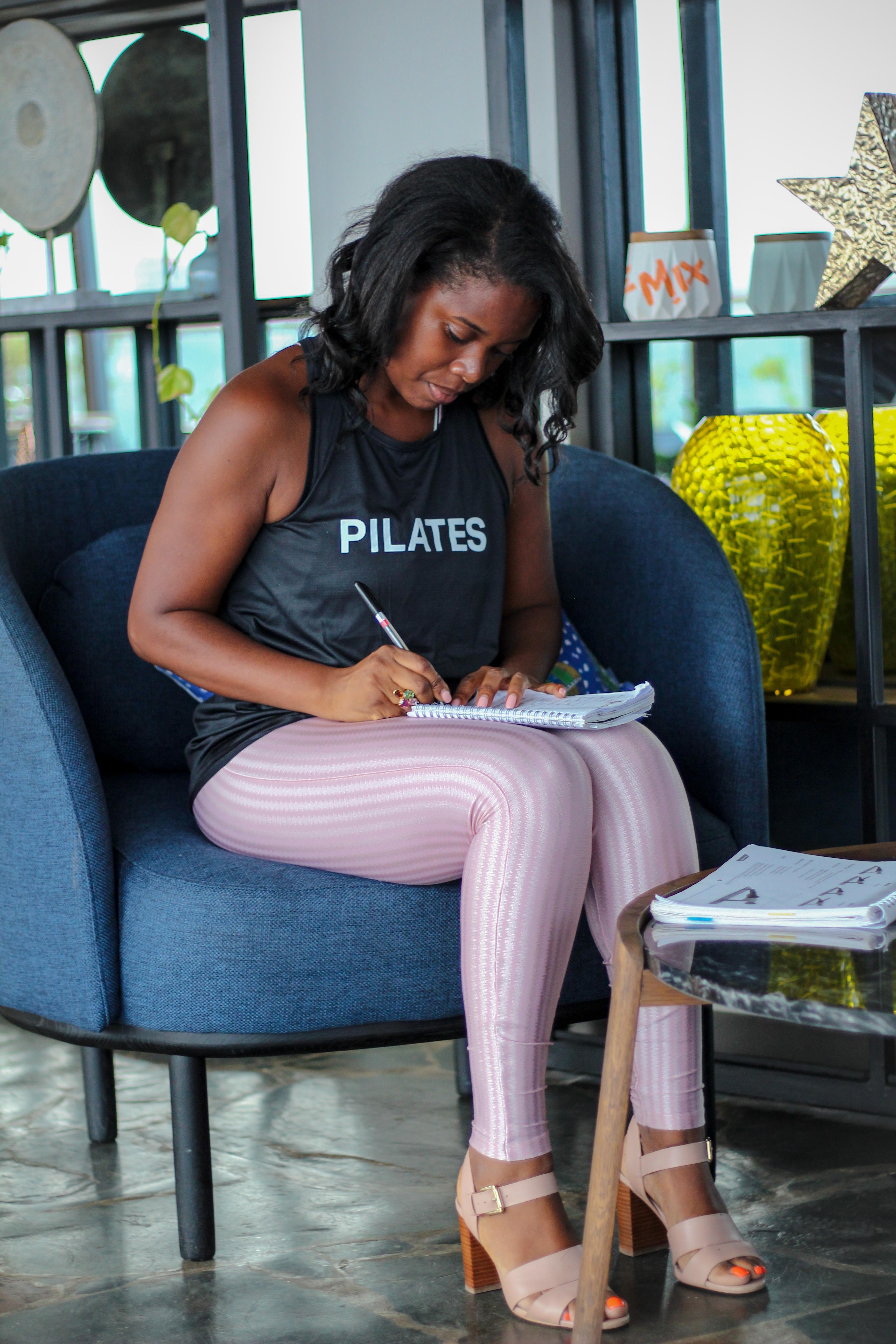
You know, when most people think about Pilates, they picture toned muscles, better posture, and maybe a bit of flexibility. But here’s the thing: Pilates is so much more than just a physical workout. It’s a powerful tool for mental wellness too. I’ve seen firsthand how this mindful movement practice can help calm the mind, reduce stress, and even boost your mood. So, if you’re curious about how Pilates can support your mental health, stick around. I’m going to share some insights, practical tips, and a little inspiration to get you started.
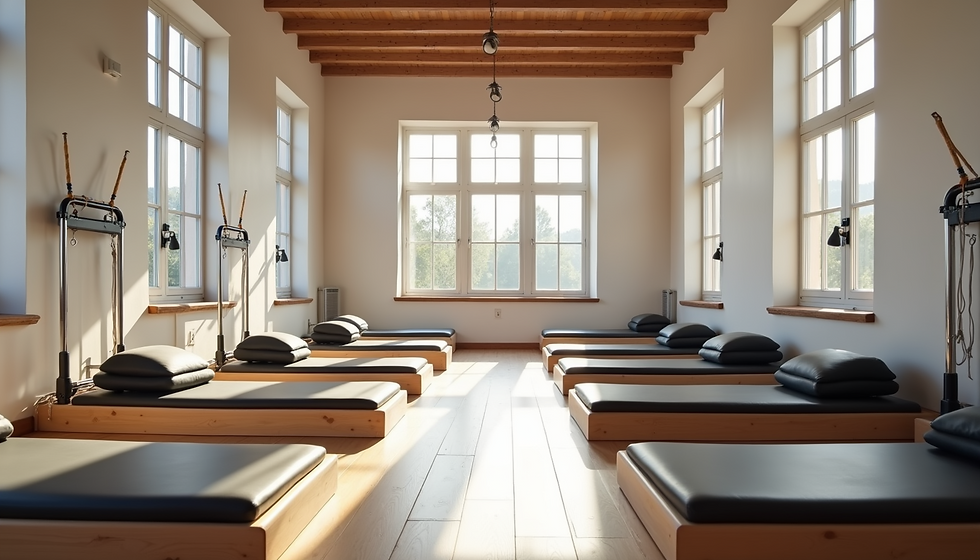
Pilates studio setup for mental and physical wellness
Pilates for Mental Wellness: More Than Just Exercise
Let’s start with the basics. Pilates is a low-impact exercise method that focuses on controlled movements, breathing, and core strength. But what really sets it apart is the mind-body connection. When you do Pilates, you’re not just moving your body; you’re tuning into how your body feels, how your breath flows, and how your mind reacts.
This focus on mindfulness during movement can help reduce anxiety and stress. Think about it: when you’re concentrating on your breath and form, your brain gets a break from racing thoughts. It’s like a mini meditation session wrapped in a workout. Plus, Pilates encourages deep, rhythmic breathing, which activates your parasympathetic nervous system - the part that helps you relax and recover.
Here’s a quick example: during a Pilates session, you might do a series of slow, deliberate leg lifts while focusing on your breath. This simple act can lower your heart rate and calm your nervous system. Over time, these small moments add up, helping you feel more centered and less overwhelmed in daily life.
The Science Behind Pilates and Mental Health
You might be wondering, “Is there actual science backing this up?” Absolutely! Studies have shown that Pilates can improve mood and reduce symptoms of depression and anxiety. The combination of physical activity, breath control, and mindfulness creates a triple win for your brain chemistry.
Exercise in general releases endorphins - those feel-good chemicals. But Pilates adds an extra layer by improving body awareness and encouraging relaxation. This can help break the cycle of negative thinking that often accompanies stress and anxiety.
For example, a study published in the Journal of Bodywork and Movement Therapies found that participants who practiced Pilates regularly reported significant improvements in their mental well-being. They felt less anxious and more confident in their bodies. And confidence? That’s a huge boost for mental health.
If you’re dealing with chronic stress or just want to feel more balanced, Pilates might be the gentle yet effective way to get there.
How to Promote Mental Health in the Community?
Now, here’s a thought: what if we could spread this mental wellness magic beyond just individual practice? Promoting mental health in the community is super important, and Pilates can play a big role.
If you’re interested in learning more about how Pilates can be integrated into mental health initiatives, check out this resource on mental health awareness. It’s packed with useful info and ideas.
Practical Tips to Get Started with Pilates for Mental Wellness
So, you’re sold on the idea but not sure how to begin? No worries! Here are some simple tips to help you dive into Pilates with mental wellness in mind:
Find a qualified instructor - Especially if you’re new, a good teacher can guide you safely and help you focus on the mind-body connection.
Start slow - Don’t rush. Pilates is about quality, not quantity. Even 20 minutes a day can make a difference.
Focus on your breath - Make breathing a priority. Inhale deeply through your nose, exhale slowly through your mouth.
Create a calm space - Whether at home or in a studio, choose a quiet spot where you can concentrate without distractions.
Be consistent - Like any wellness practice, regularity is key. Try to fit Pilates into your weekly routine.
Listen to your body - If something feels off, adjust or take a break. Pilates is about harmony, not pain.
Remember, Pilates isn’t about pushing yourself to the limit. It’s about tuning in, moving mindfully, and nurturing your whole self.
Why Pilates Accra is Your Go-To Spot for Mental and Physical Health
If you’re in Accra and looking for a place that truly understands the connection between Pilates and mental wellness, you’re in luck. Pilates Accra is dedicated to helping people improve their health through specialized and general Pilates classes tailored to different needs.
Whether you’re recovering from an injury, managing stress, or just want to feel better in your body and mind, they’ve got you covered. Their instructors are warm, knowledgeable, and passionate about creating a supportive environment.
Plus, they’re expanding their reach online and to new locations, making it easier than ever to access quality Pilates classes. So, why not give it a try?

Embracing Pilates as Part of Your Mental Wellness Journey
At the end of the day, mental wellness is a journey, not a destination. Pilates offers a gentle, effective way to support that journey by connecting your body and mind. It’s about slowing down, breathing deeply, and moving with intention.
If you’re ready to explore a new path to feeling calm, confident, and balanced, Pilates might just be the perfect fit. And remember, it’s not about being perfect or pushing hard - it’s about showing up for yourself and embracing the process.


Comments